

International trade finance programs, including commercial loans Denver businesses access, are vital for global economic growth. These loans facilitate complex transactions, mitigate risks, and enable market access for diverse enterprises. Key challenges include limited credit access for SMEs in developing countries and currency fluctuations. Specialized institutions offer solutions like insurance and guaranty funds. Effective risk management involves data analytics, customized loan structures, and regulatory awareness. Case studies from China and Africa showcase the impact of innovative financial mechanisms. By understanding local dynamics, policymakers can design comprehensive programs to revolutionize international trade dynamics globally.
International trade finance programs play a pivotal role in shaping global economic landscapes, facilitating the exchange of goods and services among nations. However, navigating these complex systems can pose significant challenges for businesses, especially smaller enterprises seeking to expand their international reach. The intricate web of regulations, currency fluctuations, and access to capital often acts as a barrier. Commercial loans Denver, specifically tailored for international trade, offer a viable solution. This article delves into the strategic role of such financing mechanisms, exploring how they can unlock opportunities, mitigate risks, and foster sustainable global economic growth by providing the necessary liquidity and support for businesses engaging in cross-border transactions.
- Understanding International Trade Finance Programs
- Benefits and Challenges in Global Trade Financing
- Exploring Commercial Loans Denver Options for Importers/Exporters
- Key Players and Institutions in International Lending
- Risk Management Strategies for Cross-Border Deals
- Case Studies: Successful Implementation of Trade Finance Initiatives
Understanding International Trade Finance Programs
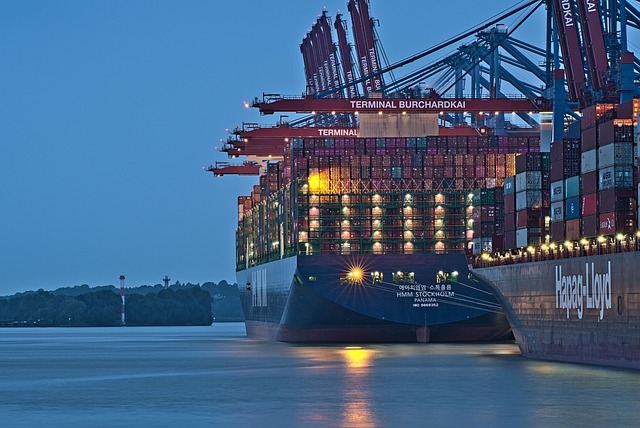
International trade finance programs play a pivotal role in facilitating global commerce, enabling businesses to navigate complex cross-border transactions with confidence. These programs offer a suite of financial tools and services tailored to support international trade, including export financing, import credit insurance, and commercial loans Denver companies rely on for expansion. Understanding these mechanisms is crucial for businesses aiming to thrive in the global marketplace.
At the heart of international trade finance lie commercial loans, which serve as a primary means of funding for many enterprises. Banks and financial institutions in Denver and worldwide offer such loans, providing capital for various purposes, from purchasing raw materials to financing export operations. For instance, a manufacturing company looking to enter new international markets might secure a commercial loan to cover initial setup costs, including factory expansion or equipment purchases. Data from the Federal Reserve indicates that access to credit remains a significant factor in a company’s ability to engage in international trade, underscoring the vital role of these finance programs.
Expert advisors emphasize that navigating international trade finance requires careful consideration of risk and regulatory frameworks. Companies should explore options like letters of credit, which provide assurance during transactions, or export financing programs offered by governments and development banks. For instance, the U.S. Export-Import Bank offers various insurance and loan products to support American exporters. By utilizing these resources strategically, businesses can mitigate risks associated with currency fluctuations, political instability, and non-payment, fostering a more secure environment for international trade.
Benefits and Challenges in Global Trade Financing

International trade finance programs play a pivotal role in facilitating global commerce, connecting countries and businesses across borders. The benefits are manifold; they foster economic growth by opening new markets, encouraging investment, and supporting international supply chains. For instance, commercial loans Denver-based institutions offer have been instrumental in helping developing nations build infrastructure and attract foreign direct investment. These loans, often tailored to specific sectors, can accelerate industrial development and create employment opportunities. According to the World Bank, foreign direct investment (FDI) flows to low- and middle-income countries reached a record $714 billion in 2021, reflecting the growing importance of trade finance in global economic integration.
However, navigating the challenges inherent in global trade financing is crucial for maximizing its benefits. One significant hurdle is ensuring access to credit for small and medium-sized enterprises (SMEs) in developing countries, which often lack collateral or have limited credit histories. This is where specialized financial institutions and public-private partnerships can step in, providing innovative solutions like insured loans and guaranty funds. Additionally, political risks, regulatory changes, and currency fluctuations can pose substantial challenges. Trade finance insurance, for example, helps mitigate these risks by covering potential losses due to adverse events.
To overcome these challenges effectively, financial institutions must stay informed about global trade trends, local economic conditions, and evolving regulatory frameworks. Collaboration among governments, international organizations, and the private sector is also vital. Implementing digital solutions can enhance efficiency in trade finance processes, reduce costs, and improve access for all participants. For instance, blockchain technology has the potential to streamline document verification, cross-border payments, and supply chain tracking, making global trade financing more transparent and secure. By addressing these challenges proactively, international trade finance programs can continue to drive economic growth and integration on a global scale.
Exploring Commercial Loans Denver Options for Importers/Exporters

International trade finance programs play a pivotal role in facilitating global commerce by providing financial support to importers and exporters navigating complex cross-border transactions. One critical component within this ecosystem is commercial loans Denver, specifically tailored to meet the unique needs of businesses engaged in international trade. These loans offer flexible financing options, enabling companies to access capital for importing goods or exporting services efficiently.
Denver’s vibrant business landscape attracts a diverse range of importers and exporters, each with distinct financial requirements. For instance, a small-to-medium-sized enterprise (SME) specializing in niche agricultural products may seek commercial loans Denver to purchase high-quality inputs from international suppliers. Conversely, a well-established tech startup looking to expand its global footprint could utilize these loans to fund market entry strategies and local operations. The flexibility of commercial loans Denver allows businesses to adapt quickly to changing market conditions and seize new opportunities abroad.
Accessing commercial loans in Denver involves a careful evaluation process. Lenders assess factors such as the company’s financial health, creditworthiness, and the potential risks associated with the specific trade transaction. However, with proper preparation, importers and exporters can enhance their chances of securing favorable terms. This includes maintaining robust accounting records, demonstrating a solid understanding of the market, and providing comprehensive business plans. By presenting a well-structured proposal, businesses can attract lenders offering competitive interest rates and flexible repayment schedules, thereby streamlining their international trade operations.
Key Players and Institutions in International Lending

The landscape of international trade finance is a complex web where key players and institutions play pivotal roles in facilitating global commerce. Among these, commercial loan providers in Denver, Colorado, stand out for their specialized services catering to small and medium-sized enterprises (SMEs) seeking to expand internationally. These financial institutions act as vital links between businesses aiming to cross borders and the capital needed to fuel growth. One prominent example is Bank of America’s Global Trade Finance division, which offers a suite of solutions tailored to import/export transactions, letter of credit arrangements, and foreign exchange services.
Global banks like JPMorgan Chase also play a significant role, providing comprehensive trade finance products ranging from short-term working capital loans to long-term project financing. Their extensive international reach and deep understanding of cross-border transactions make them preferred partners for multinational corporations. Furthermore, specialized finance companies such as Trade Financial Services (TFS) focus solely on facilitating international trade by offering letters of credit, export financing, and risk management tools, ensuring a smoother process for SMEs engaging in global markets.
In addition to traditional banks and financial institutions, newer entrants like FinTech startups are disrupting the space with innovative digital solutions. These platforms streamline processes, reduce costs, and enhance transparency, making it easier for businesses to access commercial loans Denver has to offer. For instance, a startup might leverage AI algorithms to analyze vast datasets, enabling faster credit assessments and more personalized lending options for international trade. As the global economy continues to evolve, these institutions will remain critical in fostering international commerce, ensuring that businesses have the necessary financial backing to thrive on the world stage.
Risk Management Strategies for Cross-Border Deals

International trade finance programs play a pivotal role in facilitating cross-border deals by mitigating risks and fostering economic growth. One of the most significant challenges in these transactions is managing the unique set of risks associated with different jurisdictions, currencies, and market conditions. Effective risk management strategies are crucial to ensure the success and sustainability of commercial loans Denver institutions extend to international clients.
A comprehensive approach involves a combination of financial tools, robust due diligence, and dynamic risk assessment. For instance, banks can employ various credit insurance products to protect against non-payment risks in foreign markets. These insurances cover potential losses arising from political or economic instability, providing a safety net for the lending institution. Additionally, leveraging data analytics allows lenders to predict market trends and identify emerging risks in specific regions, enabling proactive risk mitigation strategies.
Customized loan structures are another effective tool. By tailoring commercial loans Denver-based institutions offer to meet the unique needs of cross-border clients, they can better align interests and reduce default probabilities. This may include flexible repayment terms, currency hedging mechanisms, or collateral agreements tailored to local practices. For instance, a study by the World Bank (2022) revealed that businesses with access to well-structured international financing demonstrated higher survival rates during economic downturns, emphasizing the long-term benefits of robust risk management in cross-border trade finance.
Furthermore, staying informed about local regulations and business environments is vital. Regular monitoring and assessment ensure that lenders can adapt their strategies swiftly. Engaging with industry experts and participating in relevant forums facilitate this knowledge exchange. By embracing these practices, commercial loans Denver providers can enhance their risk management capabilities, foster a more robust international trade finance ecosystem, and contribute to the global economic network’s resilience.
Case Studies: Successful Implementation of Trade Finance Initiatives

International trade finance programs have evolved to become critical enablers of global economic growth, particularly for developing nations seeking to integrate into the world economy. Successful implementation of trade finance initiatives can significantly boost a country’s export potential, create jobs, and foster economic diversification. Case studies from various regions offer valuable insights into what constitutes effective strategies in this domain.
One notable example is China’s initiative to support its exports through innovative financial mechanisms. The country has leveraged commercial loans Denver-based institutions have played a pivotal role in providing access to credit for Chinese businesses, facilitating their participation in global supply chains. This strategy has been instrumental in China’s remarkable economic rise, showcasing the impact of tailored trade finance solutions. Similarly, Africa has seen positive outcomes from regional integration efforts, such as the African Continental Free Trade Area (AfCFTA), which promotes intra-African trade through simplified customs procedures and reduced tariffs. Local and international financial institutions have responded by offering specialized trade finance products to support these agreements, further enhancing regional economic cooperation.
These successful implementations underscore the importance of understanding local market dynamics and tailoring financial solutions accordingly. For instance, microfinance institutions in developing countries have provided small businesses with access to commercial loans tailored to their needs, fostering entrepreneurship and local production. Data from the World Bank indicates that increased trade finance can lead to a 10% growth in exports for lower-income countries. By learning from these case studies, policymakers and financial experts can design comprehensive programs that address specific challenges, ultimately revolutionizing international trade dynamics and unlocking economic potential worldwide.
International trade finance programs, as highlighted in this comprehensive article, are vital for fostering global economic growth and facilitating cross-border transactions. Key insights include the understanding that these programs offer significant benefits such as enhanced access to markets, improved risk mitigation strategies, and customized financing solutions. However, challenges like regulatory complexities and currency risks must be navigated effectively. Commercial loans Denver options emerge as a strategic tool for importers and exporters, providing flexible funding to support international trade activities. Key players, including specialized institutions and banks, play crucial roles in these transactions. The successful case studies presented underscore the importance of tailored risk management strategies and innovative financing approaches. Moving forward, businesses navigating international trade should leverage the insights gained from this article to optimize their financing strategies, ensuring they access the necessary resources for global expansion while mitigating associated risks through proper planning and partnerships with reputable institutions like those offering commercial loans Denver services.