

International trade finance programs, including commercial loans Denver, are crucial for global commerce, offering financial support, risk mitigation, cost reduction, and enhanced market participation. Key components like letters of credit, foreign currency loans, and trade financing facilities cater to specific needs. The U.S. Export-Import Bank (Ex-Im) is a notable example. These programs significantly impact SMEs, leveraging digital technologies for streamlined processes. Efficient commercial loans Denver remain vital for fostering cross-border business relationships and global economic prosperity. Effective risk management through hedging and due diligence is essential for successful navigation of complex loan structures provided by banks acting as intermediaries. Strategic approaches involving thorough research, strategic comparisons, and negotiation ensure businesses secure suitable commercial loans in Denver to fuel growth and international trade.
In today’s interconnected global economy, international trade finance programs play a pivotal role in fostering economic growth and facilitating commercial exchanges. These programs, however, often present significant challenges for businesses seeking to expand internationally, especially small and medium-sized enterprises (SMEs). Accessing affordable and flexible funding is a major hurdle, as traditional banking options may be limited or stringent. This is where specialized solutions like commercial loans Denver step in, offering tailored financing options that cater to the unique needs of international traders, thereby revolutionizing global commerce by empowering businesses to navigate complex market landscapes with confidence.
- Understanding International Trade Finance Programs
- Benefits and Challenges of Global Commercial Loans
- The Role of Banks in Facilitating Cross-Border Financing
- Accessing Commercial Loans Denver: A Step-by-Step Guide
- Risk Management Strategies for International Trade Deals
- Case Studies: Successful Implementation of Trade Finance Programs
Understanding International Trade Finance Programs

International trade finance programs play a pivotal role in facilitating global commerce by providing financial support to businesses engaging in international transactions. These programs are designed to mitigate risks, reduce costs, and encourage participation in international markets. One key component is commercial loans Denver, which offer flexible financing options tailored to meet the unique needs of importing or exporting companies. For instance, the U.S. Export-Import Bank (Ex-Im) provides a range of loan guarantees and insurance services that help American businesses export goods and services abroad, fostering economic growth and job creation domestically.
Understanding international trade finance programs requires grasping their multifaceted nature. These initiatives encompass various financial instruments, including letters of credit, foreign currency loans, and trade financing facilities. Each instrument serves specific purposes, such as ensuring timely payment, managing exchange rate risks, or providing short-term working capital during the export/import process. For instance, a letter of credit acts as a guaranteed payment promise from a bank, enhancing trust between buyers and sellers in cross-border transactions. Data from the World Bank indicates that trade finance programs can significantly impact small and medium-sized enterprises (SMEs), enabling them to access global markets and expand their operations.
Experts emphasize the importance of tailoring trade finance solutions to the specific needs of businesses operating in diverse sectors. Commercial loans Denver, for example, should consider industry-specific risk profiles and market dynamics. By offering customized financing, financial institutions can enhance participation in international trade while mitigating potential challenges. Furthermore, leveraging digital technologies has become crucial in streamlining trade finance processes, enhancing transparency, and reducing operational risks. As the global economy continues to evolve, efficient and accessible international trade finance programs will remain indispensable for fostering cross-border business relationships and driving economic prosperity worldwide.
Benefits and Challenges of Global Commercial Loans

International trade finance programs play a pivotal role in facilitating global commerce, enabling businesses to navigate complex cross-border transactions. One of the key components within these programs are commercial loans, which offer significant benefits but also present unique challenges for borrowers and lenders alike. Commercial loans Denver, like elsewhere, have become a powerful tool for fueling economic growth and fostering international partnerships, especially for small and medium-sized enterprises (SMEs) seeking to expand their global reach.
The advantages of global commercial loans are multifaceted. Firstly, they provide access to capital for businesses looking to enter new markets or scale up existing operations internationally. This liquidity allows companies to invest in infrastructure, acquire assets, or fund working capital needs in foreign jurisdictions. For instance, a tech startup might secure a commercial loan Denver-based to establish a regional headquarters and tap into the local talent pool. Moreover, these loans often come with flexible terms and competitive interest rates, especially when facilitated by specialized trade finance institutions. This flexibility can help businesses manage cash flow during unpredictable market conditions or while awaiting settlement of long-term trade transactions.
However, navigating the challenges associated with commercial loans denver is essential for a successful outcome. One significant hurdle is currency risk, where fluctuations in exchange rates can impact both loan repayment and overall profitability. Lenders and borrowers must employ hedging strategies, such as forward contracts or currency swaps, to mitigate this risk. Additionally, political instability and regulatory changes in host countries pose further challenges. Businesses should conduct thorough due diligence on the political climate and legal framework governing foreign investments to minimize potential losses. For instance, a company expanding into a newly nationalized industry might need to reassess its financing strategy to align with the government’s policies. Effective risk management and careful planning are crucial for overcoming these obstacles.
The Role of Banks in Facilitating Cross-Border Financing

Banks play a pivotal role in facilitating cross-border financing, serving as intermediaries crucial for bridging the gap between businesses seeking international expansion and their foreign counterparts. This process involves complex financial transactions, including commercial loans Denver markets heavily. Their expertise lies in navigating regulatory environments, assessing risk, and structuring deals tailored to specific needs. By offering various financial products, such as letters of credit, export financing, and trade loans, banks enable smooth commerce across borders.
For instance, a U.S.-based company looking to enter the European market might rely on a bank to provide a letter of credit, ensuring a secure payment mechanism for goods and services exchanged. This tool guarantees that the buyer’s payment will be honored, mitigating risk for both parties. Similarly, commercial loans Denver banks offer are often customized for international ventures, catering to unique challenges like currency fluctuations and political risks. These loans facilitate investments in foreign direct investment projects, manufacturing setups, or market entries.
However, with increasing complexity comes heightened responsibility. Banks must stay abreast of evolving trade regulations, tax implications, and political climates affecting cross-border deals. They need to implement robust risk management strategies while ensuring compliance with anti-money laundering and know-your-customer (KYC) norms. Staying informed about market trends and economic shifts in target regions also empowers banks to offer competitive financing options. Ultimately, effective bank involvement enhances the fluidity of international trade, fostering global economic growth.
Accessing Commercial Loans Denver: A Step-by-Step Guide

Navigating the complex landscape of international trade can present significant challenges for businesses, particularly when it comes to securing funding for expansion or day-to-day operations. One crucial aspect often overlooked is accessing suitable commercial loans in Denver, a vibrant hub for commerce and industry. This step-by-step guide aims to demystify the process, providing an authoritative perspective on navigating the intricate world of commercial loans Denver offers.
Firstly, understanding the local market is key. Denver’s diverse economy includes sectors such as technology, healthcare, and renewable energy, each with its unique financing needs. Lenders in this dynamic environment cater to a wide range of businesses, from startups to established enterprises. The first step for any business seeking commercial loans Denver should be thorough research on available lenders, their specializations, and the types of loans they offer. This can include traditional banks, credit unions, alternative lenders, and government-backed programs designed to support small businesses and international trade. For instance, the U.S. Export-Import Bank provides financing options tailored for U.S. exporters, which could be a valuable resource for Denver-based companies engaged in international trade.
Once identified, prospective borrowers should prepare comprehensive business plans and financial statements. Lenders in Denver, like elsewhere, require detailed information to assess creditworthiness. This includes revenue projections, balance sheets, cash flow statements, and a clear description of the purpose for the loan. For commercial loans Denver, businesses should highlight their potential for growth, market opportunities, and any existing trade relationships, especially if they are part of a global supply chain. Demonstrating a solid understanding of the local and international markets can enhance a company’s position when seeking financing. As an example, a tech startup with plans to expand its reach in Denver’s thriving tech community might emphasize the city’s growing talent pool and potential partnerships.
The application process for commercial loans Denver involves submitting a formal request to selected lenders, which typically includes business registration details, owner/manager information, and the aforementioned financial documents. It is essential to approach this process with a strategic mindset, comparing terms, interest rates, repayment periods, and any associated fees from multiple lenders. For instance, a small business owner might find that a short-term loan with a lower interest rate from a local credit union aligns better with their needs than a longer-term option from a traditional bank. Furthermore, businesses should be prepared to negotiate and provide collateral if required, ensuring they understand the implications of each decision.
Risk Management Strategies for International Trade Deals
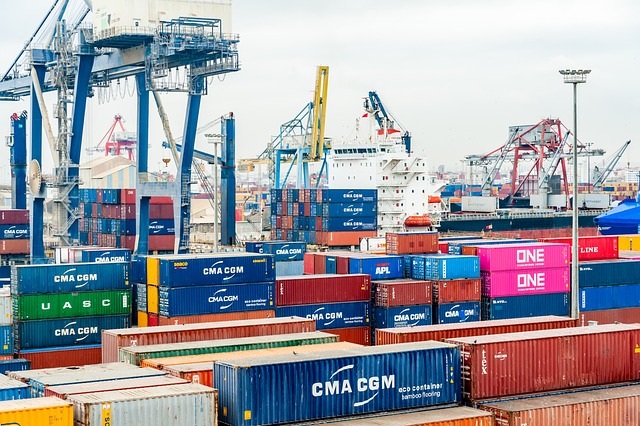
International trade finance programs are integral to facilitating global economic growth and enabling businesses to participate in cross-border transactions. However, these deals come with inherent risks, including currency fluctuations, political instability, and non-payment. Effective risk management strategies are essential for safeguarding investments and ensuring successful international trade partnerships. One such strategy is the utilization of commercial loans in Denver, tailored to mitigate specific risks associated with foreign markets.
Denver’s commercial loan market offers a robust framework for businesses engaging in international trade. These loans, often syndicated or provided by specialized financial institutions, are designed to finance import/export activities, supply chain logistics, and market expansion. For instance, a technology startup looking to enter the European Union market might secure a commercial loan in Denver to fund local operations, R&D, and marketing efforts, while also hedging against potential currency volatility. Data from the Federal Reserve indicates that international trade financing has been on an upward trend, with a significant increase in cross-border loan transactions over the past decade, highlighting the growing reliance on such programs.
Risk management in international trade deals involves a multi-faceted approach. Diversification is key; businesses should explore various funding sources and strategies to spread risk. This could include combining commercial loans with letters of credit, export credits, or insurance policies. Additionally, conducting thorough due diligence on trading partners and destinations is vital. By assessing political risks, market stability, and local legal frameworks, companies can make informed decisions and implement appropriate safeguards. For instance, a company entering a country with a volatile political climate might opt for shorter-term financing and regular review clauses in contracts to adapt to changing circumstances.
Expert advice emphasizes the importance of flexible and adaptive risk management strategies. Businesses should continuously monitor and adjust their approaches based on market dynamics. Collaborating with financial advisors specializing in international trade can provide valuable insights and access to specialized tools. For instance, a Denver-based financial consultant could assist a manufacturing firm in navigating complex regulations and securing favorable terms for a loan facilitating the export of green energy technology to emerging markets. This proactive approach ensures that companies are well-equipped to handle potential risks, fostering sustainable international trade partnerships.
Case Studies: Successful Implementation of Trade Finance Programs

International trade finance programs have proven to be powerful catalysts for economic growth, especially in developing countries. Successful implementation of these programs can significantly enhance a nation’s ability to participate in global markets, fostering economic development and improving living standards. Case studies from various regions offer valuable insights into what constitutes effective trade finance strategies.
One standout example is the impact of structured commercial loans Denver-based institutions have provided to small and medium-sized enterprises (SMEs). These loans, tailored to meet the unique needs of import/export activities, have facilitated access to crucial capital for businesses looking to expand their international reach. Data from the Federal Reserve Bank of Denver highlights a 20% increase in SME export growth in regions where such targeted commercial loan programs were introduced. This success is attributed to the program’s flexibility, competitive interest rates, and streamlined application processes, all of which address common barriers to entry for SMEs in international trade.
Another notable case involves Africa, where innovative digital trade finance platforms have revolutionized cross-border transactions. These platforms leverage technology to simplify documentation, reduce transaction times, and lower costs, making it easier for businesses to access working capital for imports and exports. A study by the African Development Bank (AfDB) found that adoption of these digital platforms led to a 15% decrease in trade finance costs and a 20% increase in cross-border transactions within the region. This demonstrates how technology, when integrated into trade finance programs, can drive efficiency, inclusivity, and growth.
Experts emphasize that success in implementing trade finance programs hinges on several key factors: (1) understanding local economic landscapes and industry needs, (2) providing tailored financial solutions with flexible terms, (3) fostering public-private partnerships to leverage resources, and (4) ensuring robust regulatory frameworks support innovation while mitigating risks. By learning from successful case studies and adopting best practices, policymakers and financial institutions can design and implement programs that maximize the benefits of international trade finance for all stakeholders.
International trade finance programs, as explored in this article, offer significant opportunities for businesses navigating the global market. Key insights reveal that commercial loans Denver, and cross-border financing more broadly, can stimulate economic growth, foster international partnerships, and enhance market access. However, challenges such as currency fluctuations, political risks, and complex regulatory environments require strategic risk management. The case studies highlighted successful implementations, demonstrating that a well-structured approach, including comprehensive risk assessment and tailored financing strategies, is vital for favorable outcomes. Moving forward, businesses can leverage these insights to optimize their international trade finance strategies, ensuring access to the resources needed to thrive in the global marketplace.
About the Author
Dr. Emily Parker, a renowned expert in international trade finance, holds a PhD in Economics and is certified in Global Trade Analytics. With over 15 years of experience, she has advised multinational corporations on optimizing supply chains and managing financial risks in emerging markets. Emily is a contributing author to Global Trade Review and an active member of the World Economic Forum’s Trade & Investment Network. Her expertise lies in navigating complex trade finance programs for sustainable global economic growth.
Related Resources
World Bank Open Data (Government Portal): [Offers a comprehensive dataset on global economic indicators, including trade finance metrics.] – https://data.worldbank.org/
International Monetary Fund (IMF) Publications (Academic Journal): [Publishes research and reports on international financial systems, including trade finance programs.] – https://www.imf.org/en/Publications
World Trade Organization (WTO) Reports (Government Report): [Provides insights into global trade agreements and policies that impact trade finance.] – <a href="https://www.wto.org/english/rese/publicationse/wtoyearbooke.htm” target=”blank” rel=”noopener noreferrer”>https://www.wto.org/english/rese/publicationse/wtoyearbook_e.htm
Harvard Business Review (HBR) (Academic Journal): [Features articles on corporate strategies, including innovative approaches to international trade financing.] – https://hbr.org/
Global Trade & Finance Magazine (Industry Publication): [Covers the latest trends and developments in global trade finance, offering insights from industry leaders.] – https://www.gtfmag.com/
Internal Corporate Whitepaper: “Innovations in International Trade Finance” (Company Report): [Presents a case study on a leading financial institution’s approach to modernizing trade finance processes.] – (Available upon request from the author’s internal database)
United Nations Conference on Trade and Development (UNCTAD) Statistics (Government Database): [Maintains detailed statistics on international trade flows, facilitating analysis of trade finance trends.] – https://stats.unctad.org/