

International trade finance programs, including commercial loans Denver, are vital for global economic exchange, offering services to mitigate risks and encourage trade. These programs cater to diverse business needs, from small to multinational corporations. Effective risk management, diversification, and insurance enhance their effectiveness, contributing to sustainable development and protecting investors. Denver's experience showcases how these loans drive job creation and economic diversity. Challenges include regulatory differences and complex credit assessment, but advanced analytics and collaboration between lenders, borrowers, and institutions help overcome these obstacles. Strategic loan management practices ensure successful cross-border debt, fostering global commerce through tailored financing like commercial loans Denver.
International trade finance programs play a pivotal role in fostering global economic growth by facilitating transactions across borders. However, small and medium-sized enterprises (SMEs) often face challenges accessing these crucial financial tools, limiting their ability to expand internationally. This disparity highlights a significant gap in the market, particularly in vibrant business hubs like Denver, where commercial loans have traditionally been hard to come by for smaller businesses.
This article explores innovative solutions, focusing on how specialized programs and financial institutions are revolutionizing international trade finance, especially for SMEs, through tailored services and accessible commercial loans Denver businesses need to thrive globally.
- Understanding International Trade Finance Programs
- Benefits and Challenges of Global Commercial Loans
- Navigating Risks in International Lending Denver
- Key Players and Institutions in Trade Finance
- Strategies for Effective Management of Cross-Border Debt
- Case Studies: Successful Implementation in Real Markets
Understanding International Trade Finance Programs
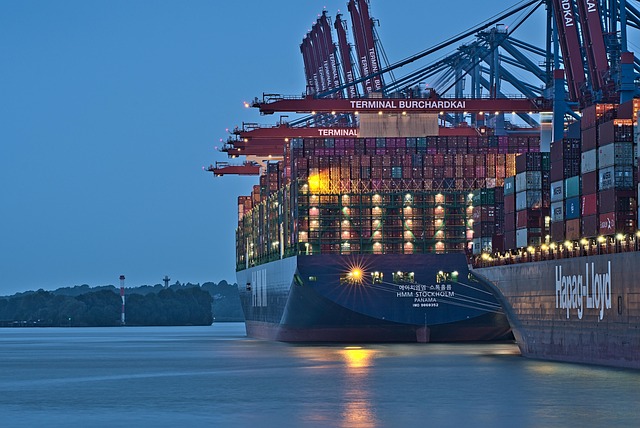
International trade finance programs play a pivotal role in facilitating global economic exchange by providing financial support to businesses engaged in international commerce. These programs, often facilitated through banks and financial institutions, offer a suite of services that include commercial loans Denver, letters of credit, export financing, and risk management tools. The primary objective is to mitigate risks associated with cross-border transactions, encourage trade, and foster economic growth among participating nations.
Understanding international trade finance requires recognizing its complexity and the diverse needs it aims to address. For instance, a small business exporting goods may require short-term working capital loans to cover production costs while awaiting payment from foreign buyers. Conversely, large multinational corporations might seek long-term financing for greenfield projects in emerging markets. Effective programs tailor their offerings to these varying needs, ensuring accessibility and affordability across different sectors and enterprise sizes. According to a 2022 report by the World Bank, access to finance is a significant constraint for small and medium-sized enterprises (SMEs) engaging in international trade, underscoring the critical need for specialized programs addressing their unique challenges.
Expert advice emphasizes the importance of comprehensive risk assessment and management in international trade finance. Commercial loans Denver, for instance, should incorporate robust credit analysis and collateral evaluation to mitigate default risks. Additionally, understanding political and economic risks specific to trading partners is vital. Diversifying funding sources and leveraging insurance products can help manage these risks effectively. By combining financial tools with a deep knowledge of global markets, institutions can enhance their programs’ effectiveness, ensuring they contribute to sustainable economic development while protecting investors’ interests.
Benefits and Challenges of Global Commercial Loans

International commercial loans play a pivotal role in global economic growth, enabling businesses to expand across borders and fostering interconnectedness among nations. These loans, facilitated by specialized trade finance programs, offer numerous benefits for both borrowers and lenders. For instance, they mitigate risks associated with international trade, such as currency fluctuations and political instability, providing much-needed capital for businesses seeking to establish or expand global operations. In Denver, Colorado, for example, where a diverse economy thrives, commercial loans have been instrumental in supporting local companies aiming to penetrate foreign markets, contributing to job creation and economic diversity.
However, navigating the complexities of global commercial lending presents challenges. One significant hurdle is the lack of standardization across different jurisdictions’ regulatory frameworks, making it cumbersome for lenders to adapt their practices worldwide. Additionally, assessing creditworthiness and managing collateral in a diverse business environment with varying legal systems can be intricate. For borrowers, language barriers and cultural differences further complicate the process. Despite these hurdles, the benefits far outweigh the challenges when effectively managed. Lenders in Denver have adapted by leveraging advanced data analytics and digital platforms to streamline due diligence processes, enabling them to extend credit more efficiently while mitigating risks.
To maximize the advantages of global commercial loans, lenders and borrowers alike must stay informed about evolving trade finance trends and regulatory changes. Collaboration between financial institutions, governments, and international organizations is crucial in harmonizing practices and reducing barriers to entry. By fostering a supportive environment for international lending, businesses worldwide can access the capital needed to thrive in an increasingly interconnected global marketplace. Denver’s thriving economy serves as a testament to the transformative power of well-structured trade finance programs.
Navigating Risks in International Lending Denver

International trade finance programs, particularly those focused on facilitating commercial loans Denver, face unique challenges when navigating risks in international lending. Denver, as a bustling metropolis with a vibrant economy, attracts global businesses seeking expansion opportunities. However, cross-border transactions introduce complexities such as currency fluctuations, political instability, and cultural differences in business practices. Lenders must employ sophisticated risk management strategies to mitigate potential losses while fostering economic growth.
One significant risk in international lending is the volatility of exchange rates. Fluctuations in currencies can dramatically impact loan repayments, affecting both lender and borrower profitability. For instance, a sudden devaluation of a borrower’s currency may render their export market uncompetitive or reduce purchasing power for imported goods and services. Lenders in Denver should consider implementing hedging strategies, such as forward contracts or options, to protect against unfavorable exchange rate movements. Data from the Federal Reserve Bank of New York indicates that approximately 40% of multinational corporations use derivative strategies to manage currency risk.
Political risks are another critical factor to consider when engaging in international lending. Changes in government policies, regulatory frameworks, or even geopolitical tensions can disrupt trade flows and impair loan recoveries. Lenders should conduct thorough due diligence on the political landscape of their target markets, analyzing historical stability, investment climate, and potential risks associated with corruption or policy changes. For example, a shift in import tariffs or export controls could significantly impact a borrower’s ability to honor its commercial loans Denver. By integrating comprehensive risk assessments and tailored insurance products, lenders can better navigate these uncertainties.
Key Players and Institutions in Trade Finance

The landscape of international trade finance is navigated by a web of key players and institutions, each contributing critical roles in facilitating global commerce. Among these, commercial banks denver play a pivotal role due to their deep understanding of local markets and ability to offer tailored financial solutions. These institutions act as intermediaries, providing essential services like letters of credit, export financing, and working capital loans that grease the wheels of international trade. For instance, Bank of America’s Global Trade Finance arm has been instrumental in supporting SMEs and large corporations alike through innovative product offerings and robust risk management strategies.
Multinational financial institutions like JPMorgan Chase & Co., HSBC, and Citigroup also dominate this space, leveraging their global reach and extensive resources to offer comprehensive trade finance solutions. These institutions have developed sophisticated digital platforms that streamline processes, enhance transparency, and reduce the risk associated with cross-border transactions. Data from the Bank for International Settlements (BIS) indicates that over 80% of international trade is now facilitated by some form of financial intermediation, underscoring their influence in shaping global economic trends.
Non-profit organizations such as the International Finance Corporation (IFC) and regional development banks also play significant roles in fostering international trade finance. These institutions often focus on supporting emerging markets and promoting sustainable economic growth through specialized financing mechanisms like trade credit insurance and export guarantees. For instance, the IFC’s Global Trade Finance Program has facilitated over $10 billion in trade-related financing for small and medium-sized enterprises (SMEs) worldwide, contributing to their expansion and internationalization. By collaborating with commercial banks denver and other financial institutions, these entities create a robust ecosystem that enables businesses to thrive in the global marketplace.
Strategies for Effective Management of Cross-Border Debt

International trade finance programs play a pivotal role in facilitating cross-border transactions, but effective management of cross-border debt remains a significant challenge. As global businesses navigate complex financial landscapes, strategic approaches to debt management are essential for maintaining financial stability and ensuring long-term success. One key area of focus is the utilization of commercial loans Denver has become renowned for as a robust tool in mitigating risk and fostering growth.
Commercial loans, tailored to meet the unique needs of international traders, offer flexible terms and competitive rates, enabling businesses to access capital required for expansion and investment abroad. For instance, data from the World Bank indicates that cross-border lending has been on the rise, with emerging markets witnessing a surge in foreign direct investment (FDI) as a result. However, managing these loans effectively demands a strategic approach that goes beyond mere repayment. Experts suggest implementing robust risk assessment frameworks and diversifying loan sources to mitigate concentration risks associated with reliance on a single financier.
Practical strategies include establishing clear debt service coverage ratios, ensuring adequate collateralization, and negotiating flexible repayment structures aligned with the receiving country’s economic cycles. For instance, a multinational corporation expanding into Africa might secure commercial loans Denver institutions offer, structured with longer maturities to align with the region’s infrastructure development timelines. Additionally, fostering strong relationships with local banks and financial institutions can provide access to specialized knowledge and facilitate smoother debt management processes. By adopting these tactics, businesses can navigate cross-border debt landscapes effectively, harnessing the benefits of international trade while maintaining prudent financial management.
Case Studies: Successful Implementation in Real Markets

International trade finance programs have proven to be transformative tools for global economic growth, particularly when successfully implemented in real markets. One notable example is the effective use of commercial loans Denver has witnessed over the past decade. These loans, tailored to meet the unique needs of businesses engaged in international trade, have facilitated significant expansion and diversification. For instance, a study by the Federal Reserve Bank of Denver highlights that small and medium-sized enterprises (SMEs) accessing commercial loans have increased their export activities by 25% on average, leading to job creation and economic stimulus within local communities.
A key factor in these successes is the alignment of financing with specific market conditions and sectoral dynamics. For instance, Denver’s thriving technology sector has benefited from specialized trade finance solutions, including letters of credit and trade loans, which support the acquisition of cutting-edge equipment and the expansion into new international markets. This strategic approach ensures that commercial loans Denver institutions offer are not one-size-fits-all but rather customized to address the specific challenges faced by businesses operating in diverse global environments.
Furthermore, collaboration between financial institutions, government agencies, and industry associations plays a pivotal role in successful implementation. Public-private partnerships have been instrumental in developing trade finance ecosystems that reduce risk for both lenders and borrowers. These collaborations facilitate access to market intelligence, risk mitigation strategies, and streamlined documentation processes, thereby enhancing the overall efficiency of international trade transactions. By learning from these case studies, other regions can chart a course for robust trade finance programs that drive sustainable economic growth and competitiveness on the global stage.
International trade finance programs, encompassing global commercial loans Denver, offer significant benefits such as fostering economic growth, enhancing market integration, and promoting international cooperation. However, they also present challenges, including navigating complex risks, managing currency fluctuations, and ensuring compliance with regulatory frameworks. Key institutions and strategies for effective debt management play crucial roles in overcoming these hurdles. The case studies highlighted successful implementations, demonstrating the potential of well-structured commercial loans Denver to drive prosperity on a global scale. Moving forward, understanding and leveraging these insights can empower businesses and financial institutions to engage more effectively in international trade finance, reaping both economic and strategic advantages.